IRI Honors Elena Larrinaga de Luis and Berta Valle…
The International Republican Institute’s (IRI) Women’s Democracy Network (WDN) held its annual Jeane J. Kirkpatrick Award ceremony on Tuesday, March 12th, honoring,…

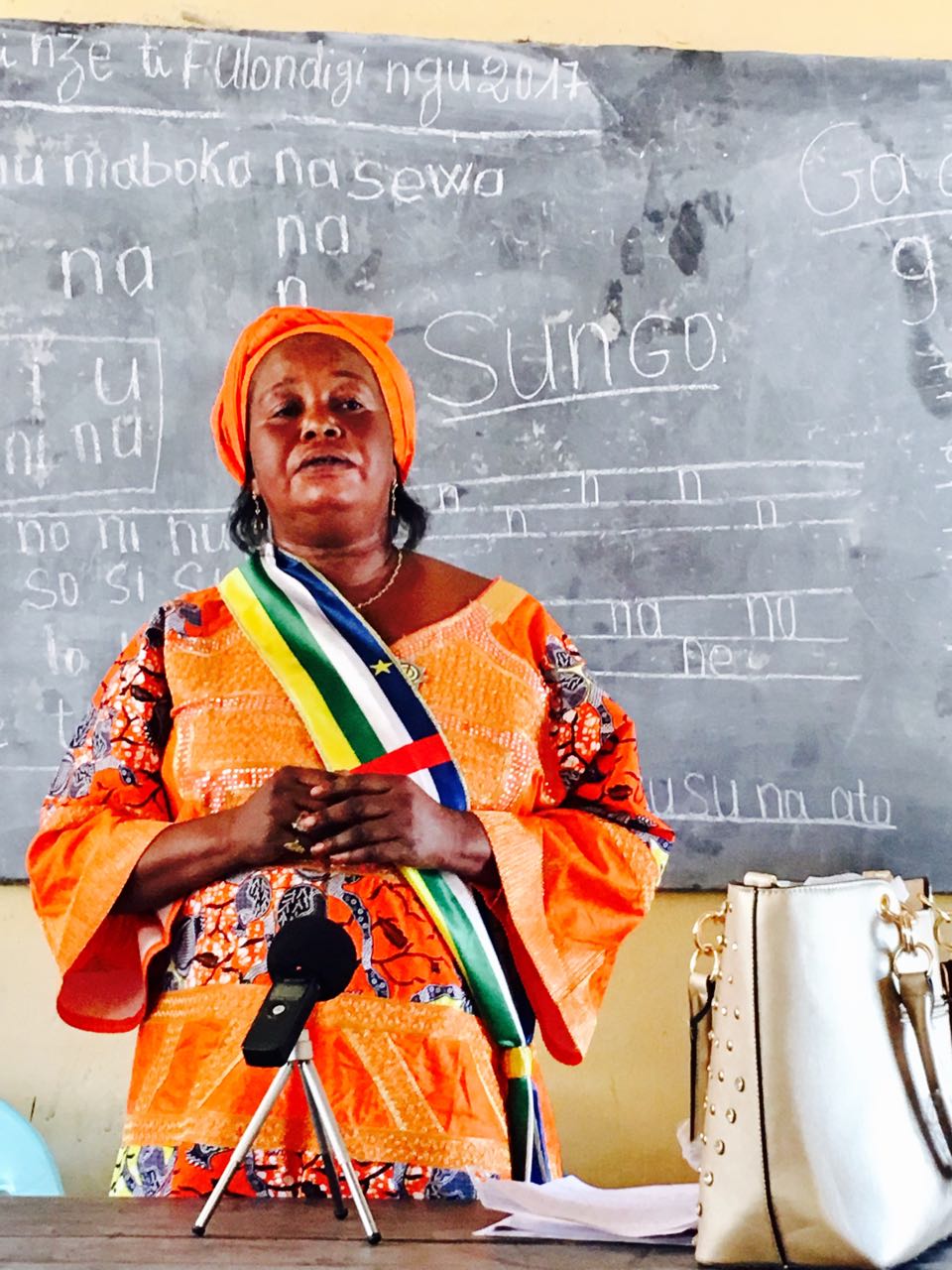
When women have a role in decision-making, the economic, political and social well-being of their country improves.
We connect women to their best resource: each other. With active members in more than 115 countries and chapters in 16 countries, WDN is creating the next generation of women leaders.
Network members learn communications, networking, campaigning and governing skills from WDN programs.
Despite violence continuing to disrupt daily life in Cameroon, women leaders proceed to march towards a more inclusive political process. The WDN Cameroon country chapter has helped increase women’s participation in decision-making processes at the local and national levels. In seven years, 95 percent of Anglophone women who took part in our Women’s Political Leadership Academy and Women’s Leadership School ran for local council positions.
Since our founding in 2006, WDN has worked with 5,000 women in 80 countries. We empower women around the world to participate in the political process and equip them with the skills to take on greater leadership roles.
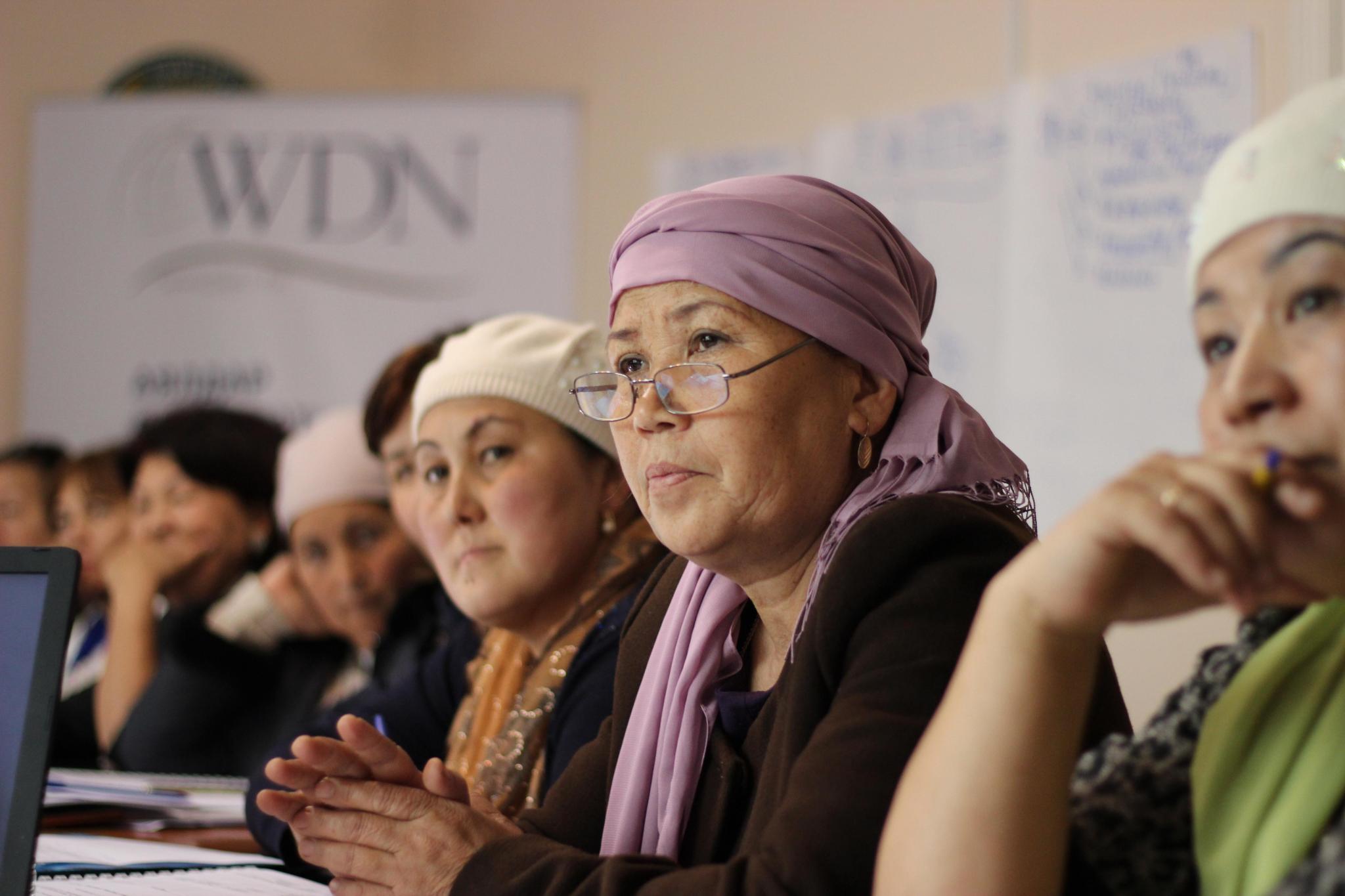
The Women’s Democracy Network believes that a full and robust democracy depends on the equal participation of women.
WDN’s network of leaders and rising stars are making positive changes in their communities and beyond. Join our global network to connect, learn and participate in the advancement of women’s full participation in public life!
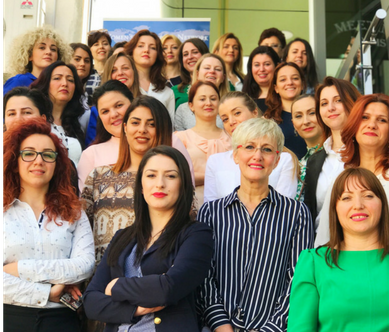
Established by the International Republican Institute in 2006, WDN empowers women around the world to participate in the political process and equips them with the skills needed to assume greater leadership roles in government, political parties and civil society. WDN connects aspiring and accomplished women leaders across the globe, creates forums for sharing ideas and experiences, and provides technical training and resource materials.
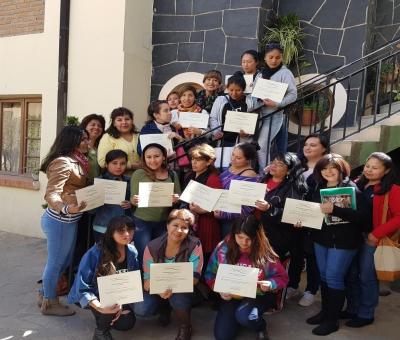
Our partners are drawn from a variety of backgrounds and are committed to advancing women’s leadership in their countries.

Our council is composed of women leaders who have distinguished themselves in the world of politics, business and more.
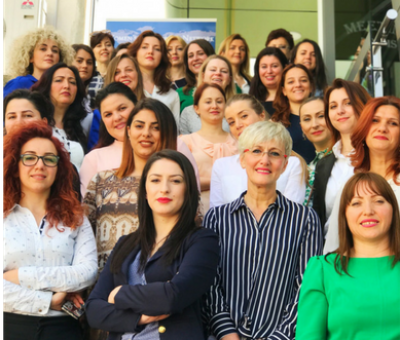
Join the WDN network of leaders by becoming a member.

The International Republican Institute’s (IRI) Women’s Democracy Network (WDN) held its annual Jeane J. Kirkpatrick Award ceremony on Tuesday, March 12th, honoring,…
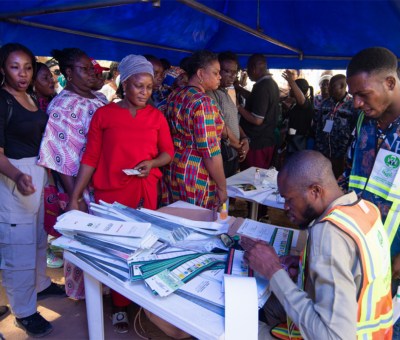
Marking the 40th anniversary of the International Republican Institute (IRI), 2023 provided many key moments in our fight to advance…
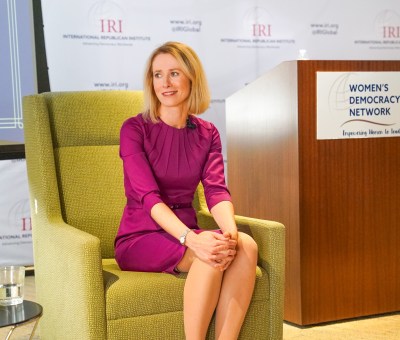
Washington, DC – The International Republican Institute’s Women’s Democracy Network held its annual Jeane J. Kirkpatrick Award ceremony on Monday, November 13th, honoring…
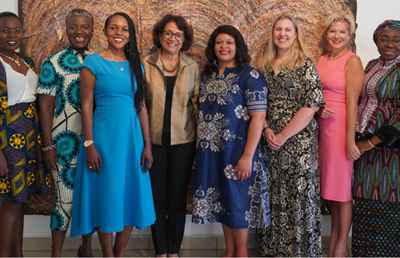
The International Republican Institute’s (IRI) Women’s Democracy Network-Africa (WDN-Africa) is a vibrant network of exceptional leaders dedicated to harnessing the…
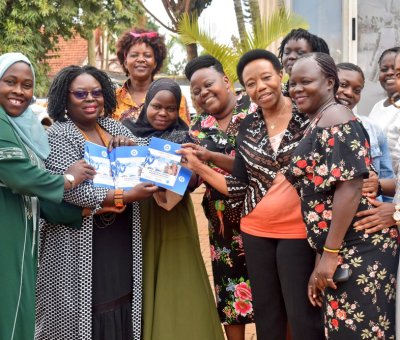
Since Uganda’s 2005 referendum, which ushered in the multiparty system of government, women political leaders have struggled to secure leadership…
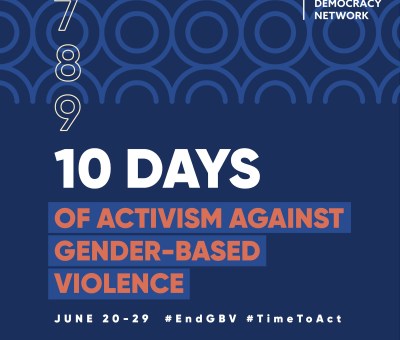
The International Republican Institute’s (IRI) Women’s Democracy Network (WDN) hosted its fifth annual “10 Days of Activism against Gender-Based Violence”…
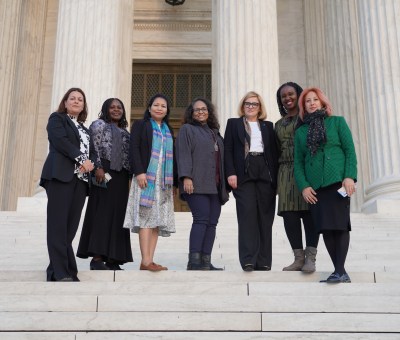
The Women’s Democracy Network (WDN) connects accomplished women leaders and empowers them to participate in civic and political life. One…
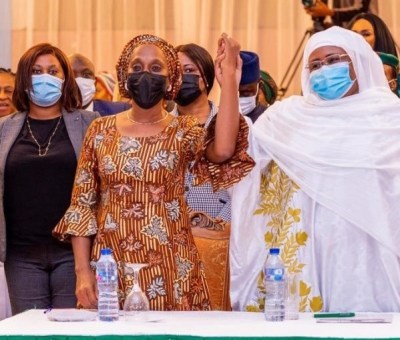
With the general elections just a year away, early 2022 offered hope for the adoption of legislation that would have…